
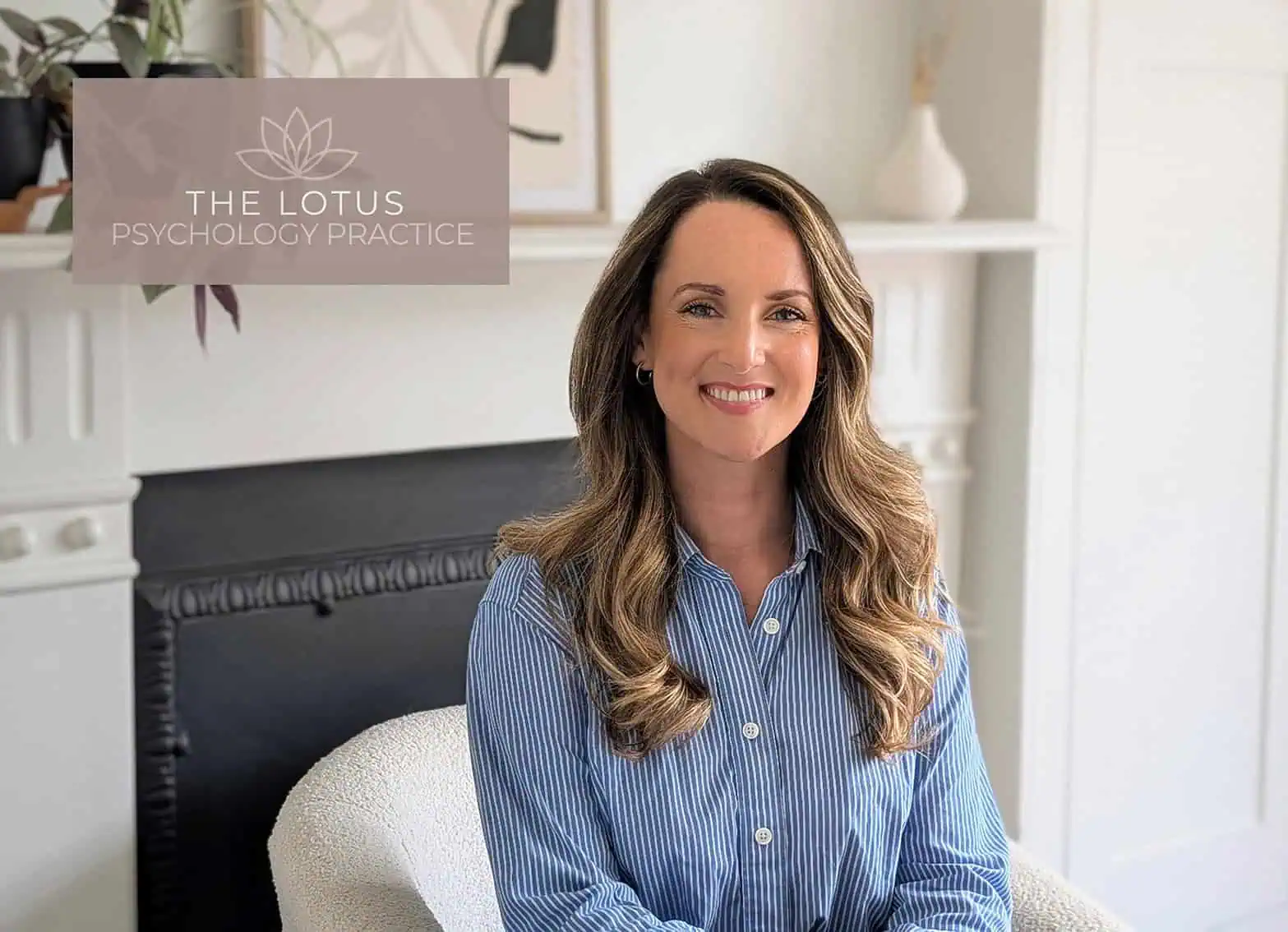
Featuring Dr Morvwen Duncan,
Founder & Lead Clinical Psychologist of
The Lotus Psychology Practice
Key Points:
Understanding Your Child’s Development: Highlights From Our Webinar
We have officially launched our summer campaign, Understanding Your Child. It is a brand new campaign designed to help parents better understand their child’s development, behaviour and emotions through a free quiz, expert resources, practical advice and evidence based guidance.
In collaboration with Dr Morvwen Duncan, Founder and Lead Clinical Psychologist at The Lotus Psychology Practice, the campaign includes three free expert led webinars.
The first webinar, Understanding Your Child’s Development, took place on Thursday 20 August. The session focused on helping parents and carers think differently about child development, moving beyond milestones and considering the many factors that can influence how a child experiences and responds to the world around them.
Development is dynamic, not always linear
Dr Morvwen Duncan explained that child development involves several areas, including physical, cognitive, language, emotional and social development.
While milestones can be useful for recognising when a child has acquired a new skill or may need additional support, she encouraged us to think about development as a dynamic process. Development can involve periods of rapid growth, consolidation and adaptation. This means that a child may sometimes appear to take a step backwards, or may be able to do something on one occasion but not consistently.
As Dr Morvwen Duncan highlighted, every child follows their own unique developmental pathway, so comparing children can often be unhelpful.
Looking beneath behaviour
One of the central themes of the webinar was the idea that behaviour is what we see, but it does not necessarily tell us the whole story.
Dr Morvwen Duncan described behaviour as the “tip of the iceberg”. Beneath what we see, there may be a number of developmental processes taking place at the same time.
For example, when a young child throws a bowl or has a difficult moment in a supermarket, there could be many possible factors involved. They may be tired or hungry, overwhelmed by their surroundings, frustrated because they do not yet have the language to explain what they need, or still developing skills such as impulse control and emotional regulation.
The behaviour may look the same, but what is happening underneath can be very different.
This led to one of the webinar’s key messages. Rather than immediately asking “How do I stop this?”, it can be helpful to pause and wonder:
“What might my child be experiencing in this moment?”
Children develop through relationships and everyday interactions
Dr Morvwen Duncan also explored how children develop within the relationships and environments around them.
She discussed “serve and return”, describing the back and forth interactions that begin early in life. A baby might smile, point or babble, and an adult responds. These interactions continue as children grow, whether a toddler brings over their favourite book, a four year old asks you to look at something they have built, or an older child wants to tell you about their day.
She emphasised that these everyday interactions do not have to be perfect. Parents and carers will inevitably miss cues, become distracted or misunderstand what their child needs.
What matters is the consistency of those interactions over time.
A secure base for exploring the world
The webinar also looked at attachment and the role of adults as both a “safe haven” and a “secure base”.
Dr Morvwen Duncan used the example of a toddler exploring at the playground. A child may move away to explore, check back with their trusted adult, and then return for comfort if they become upset.
The idea is that children can use trusted adults for reassurance when they feel overwhelmed, while feeling supported to explore, play and learn when they feel safe.
As Dr Morvwen Duncan explained, children develop independence through having the confidence that they can return to someone when they need support.
Co regulation and repair
Another important part of the session was co regulation.
Children are not born knowing how to manage disappointment, frustration or fear. Dr Morvwen Duncan explained that, early on, children rely on adults to help them manage big feelings. Over time, through calm and responsive interactions, children gradually develop their own ability to regulate their emotions.
She also talked about repair. Being responsive does not mean getting it right every time. Parents and carers will sometimes lose their patience or misunderstand a situation.
Repairing those moments, for example acknowledging that you shouted because you were frustrated and apologising, can show children that relationships can recover when something goes wrong.
Curiosity rather than comparison
The overall message from the webinar was one of reassurance.
Dr Morvwen Duncan encouraged parents and carers to become curious about what might be happening underneath a child’s behaviour, while still recognising the importance of boundaries.
Rather than focusing only on whether a child can or cannot do something, she suggested considering what they can manage independently, what they can manage with some support, and what support might help them move forward.
This links to the idea of “scaffolding”, where an adult provides just enough support to help a child do something they cannot yet manage independently.
Watch the replay
If you missed the webinar with Dr Morvwen Duncan, you can watch the full replay below.
This webinar is the first part of our series exploring child development, emotions and behaviour. If you would like to attend the other two webinars, you can sign up for the series.